Home Solar Panels in Pakistan: A 2026 Beginner’s Guide to Going Off the Grid
Home solar panels have moved from a luxury to a household necessity across Pakistan. With grid tariffs climbing and load shedding still a fact of life, a rooftop system is now one of the smartest investments a family can make. This guide walks a first-time buyer through everything that matters before signing a contract.
You do not need an engineering degree to understand solar. You just need to know how the pieces fit together, what they cost, and which questions separate a good installer from a bad one. Let us start at the roof and work down to the meter.
How a Home Solar System Actually Works
Sunlight hits photovoltaic panels, which produce direct current (DC) electricity. An inverter converts that DC into the alternating current (AC) your fans, fridge, and lights need. When your panels make more than you use, the surplus either charges a battery or flows back to the grid under net metering.
At night or during cloudy spells, you draw from the battery or the grid. That simple loop is the whole system. Everything else is sizing, wiring, and quality control.
The four core components
- Panels — usually monocrystalline, rated between 550W and 700W each in 2026.
- Inverter — the brain, sized in kilowatts to match your load.
- Mounting structure — galvanised or aluminium rails that survive monsoon and wind.
- Battery (optional) — lithium or tubular, for backup and night use.
Beyond these four, a small army of supporting parts quietly keeps everything safe. DC and AC isolators let a technician cut power for maintenance, surge protection devices absorb lightning-induced spikes, and correctly rated cabling carries current without overheating. None of these appear in the marketing brochure, yet skimping on any of them shortens the life of the whole system.
Orientation and tilt also belong in this conversation. In Pakistan, panels facing south at a tilt roughly equal to your latitude capture the most annual energy. A few degrees of adjustment can add or remove hundreds of units a year, which is why a thoughtful installer measures your roof rather than guessing.
What Size System Does Your Home Need?
Sizing starts with your monthly units (kWh) on your electricity bill, not with a salesman’s guess. A typical three-bedroom home in Pakistan consumes 600 to 1,000 units a month. That maps roughly to a 5kW to 7.5kW system.
Here is a practical planning tip drawn from real installations: add 20% headroom to whatever the calculator says. Panels degrade slightly each year, dust cuts output, and families almost always add appliances after the system is live.
Seasonality matters too. Summer sun in Pakistan is generous, but shorter winter days and December fog can trim output by a third in some cities. If your winter bills are the ones that hurt, size for the leaner season rather than the peak, or accept that you will lean on the grid for a few cold weeks.
Do not forget your heaviest single load. An air conditioner or a deep-well water pump draws a large surge at startup, and a system sized only for average consumption may stumble when that motor kicks in. Tell your installer about every high-draw appliance so the design accounts for those spikes.
| Monthly units | Recommended system | Approx. panels (585W) | Rough day output |
|---|---|---|---|
| 300–500 | 3 kW | 6 | 12–15 kWh |
| 500–800 | 5 kW | 9 | 20–25 kWh |
| 800–1,200 | 7.5 kW | 13 | 30–37 kWh |
| 1,200+ | 10 kW | 18 | 40–50 kWh |
On-Grid, Off-Grid, or Hybrid?
Choosing a system type is the single biggest decision you will make. Each option suits a different reality, so match it to your grid stability and budget rather than to whatever the installer stocks most.
- On-grid — cheapest, no battery, exports surplus for net-metering credit, but goes dark during outages.
- Off-grid — fully battery-backed and independent, ideal for areas with poor grid access such as parts of Balochistan.
- Hybrid — the popular middle path: net metering plus a battery for outage backup.
Regions with harsh sun and weaker grids benefit from robust off-grid or hybrid designs. Homeowners exploring solar panels in Quetta often lean hybrid because daytime temperatures are punishing and reliable backup matters more than a rock-bottom price.
Understanding Net Metering in Pakistan
Net metering lets you sell surplus solar power back to your distribution company. Your bidirectional meter records both import and export, and you are billed only on the net difference. Approved by NEPRA, it remains one of the fastest ways to shorten payback.
Applications go through your DISCO, and paperwork can take a few weeks. A competent installer handles the whole submission for you, which is one reason experience matters when choosing a contractor.
The financial logic is simple but powerful. During sunny hours you often produce more than the household uses, and instead of wasting that energy you bank it as credit. On a cloudy day or after dark you draw those credits back, so your annual bill reflects only the net shortfall. In practice, a well-sized net-metered home can shrink its electricity bill to a fraction of its former self.
Keep in mind that credits usually settle on an annual cycle and rates can change with policy. Treat net metering as a strong bonus that accelerates payback, not as a guaranteed lifetime income, and your expectations will stay grounded in reality.
Why installer quality decides your payback
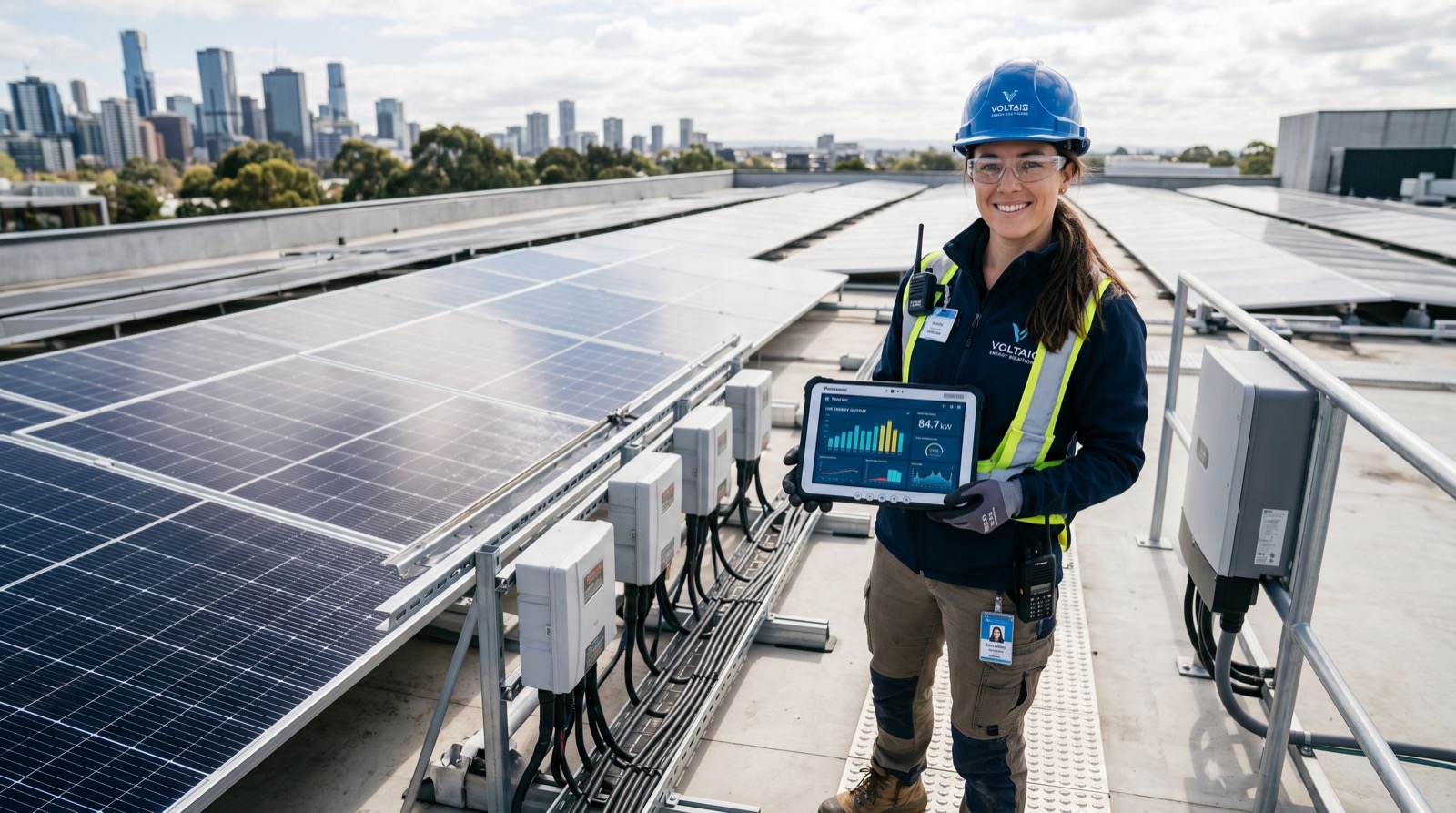
A cheap install with loose connectors or undersized cables will underperform and can even burn out an inverter. Working with solar installation in Rawalpindi teams that document their wiring and honour warranties protects your investment for the full 25-year panel life.
The same principle shows up in every service industry. Just as you would only trust dependable specialists with an expensive relocation, you want a solar crew that treats your roof like their own.
What Does Solar Cost and When Does It Pay Off?
In 2026 a quality 5kW hybrid system in Pakistan typically lands between PKR 900,000 and PKR 1,300,000 installed, depending on battery capacity and brand. On-grid systems without batteries cost noticeably less.
Most homeowners reach payback in three to five years, after which the electricity is effectively free. According to the International Energy Agency’s solar PV analysis, solar remains the cheapest source of new electricity in most markets worldwide, and Pakistan’s abundant sunlight makes the maths especially favourable.
Frequently Asked Questions
How long do home solar panels last?
Quality monocrystalline panels carry 25-year performance warranties and often keep producing beyond 30 years at reduced output. Inverters usually need replacement once, around year 10 to 12.
Do solar panels work during load shedding?
On-grid systems shut off during outages for safety, but hybrid and off-grid systems keep running from their batteries. If uninterrupted backup is your priority, choose a battery-equipped design.
How much roof space do I need?
Budget roughly 60 to 80 square feet per kilowatt. A 5kW system needs about 300 to 400 square feet of shade-free, south-facing roof for best results.
Is cleaning the panels really necessary?
Yes. Dust in Pakistan can cut output by 15% or more. A gentle rinse every few weeks in dry season keeps production high and protects your return.
Final Thoughts
Home solar panels reward homeowners who plan carefully, size honestly, and hire an installer with a real track record. Get those three things right and you lock in decades of cheaper, cleaner power. In 2026, with grid costs still rising, there has rarely been a better moment to make the switch.